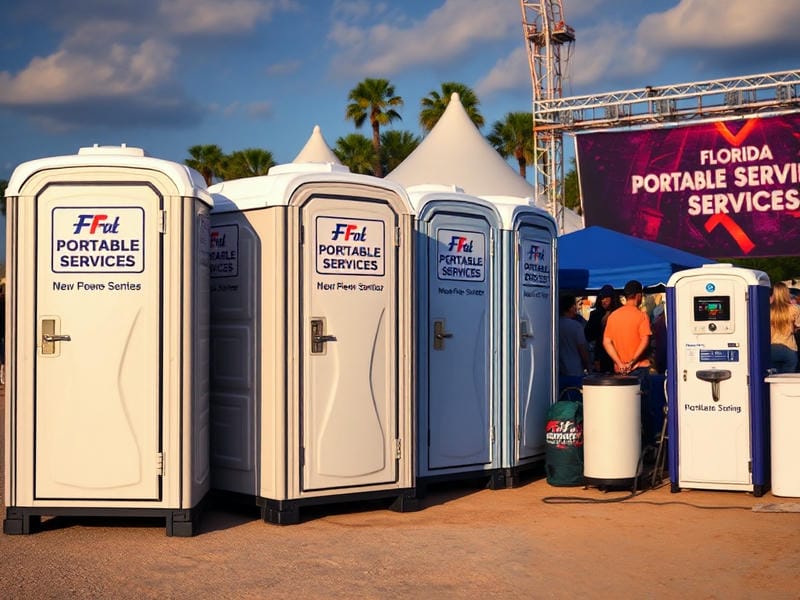
Implementing Eco-Friendly Practices in Waste Management

Implementing Eco-Friendly Practices in Waste Management

Importance of Sustainable Practices in the Portable Sanitation Industry

In the contemporary world, where environmental concerns have taken center stage, sustainable waste management emerges as a crucial component of eco-friendly practices.

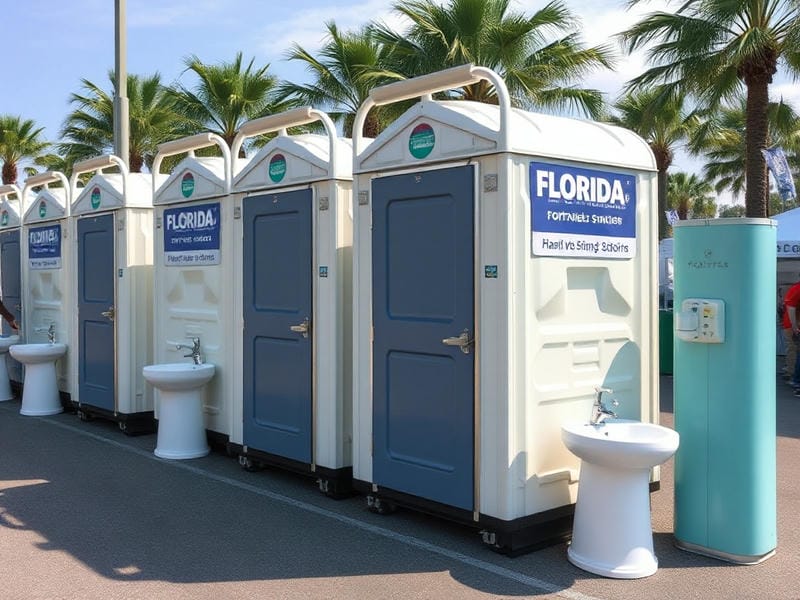
Implementing Eco-Friendly Practices in Waste Management - flush toilet

  1. heat
  2. water
  3. water
The importance and benefits of adopting sustainable waste management solutions are multifaceted, impacting not only the environment but also society and the economy at large. Event planners rely on porta potty rentals for seamless event logistics. construction site toilet rental Alachua County. By implementing these practices, we can pave the way for a cleaner, healthier planet while simultaneously fostering economic growth and social well-being.


At its core, sustainable waste management seeks to minimize the negative impacts of waste on the environment through reduction, reuse, and recycling. This approach significantly reduces greenhouse gas emissions generated from landfills, which are notorious for emitting methane-a potent climate change driver. By diverting waste away from landfills through recycling and composting programs, communities can actively decrease their carbon footprint. Moreover, sustainable waste management helps conserve natural resources by promoting the use of recycled materials over virgin resources in manufacturing processes.


The benefits extend beyond environmental preservation; there is a tangible economic advantage to be gained as well. By investing in waste management infrastructure and technologies such as material recovery facilities and advanced recycling systems, new job opportunities arise in both urban and rural areas. The growth of this sector stimulates local economies by creating positions for skilled workers in engineering, operations, maintenance, and education roles focused on sustainability initiatives.


Socially, sustainable waste management fosters community engagement and awareness about responsible consumption patterns. Educational campaigns aimed at reducing single-use plastics or encouraging proper sorting techniques empower individuals to make more informed choices about their consumption habits. Additionally, implementing these eco-friendly practices often leads to cleaner public spaces and reduced pollution levels-enhancing overall quality of life for residents.


Furthermore, sustainable waste management strategies can enhance public health by minimizing exposure to harmful pollutants often associated with improper waste disposal methods. By curbing illegal dumping activities and ensuring safe handling of hazardous materials like electronic waste or medical refuse through specialized treatment facilities-communities protect themselves from potential health risks.


In conclusion, embracing sustainable waste management is paramount for achieving long-term ecological balance while reaping substantial economic and societal rewards. As global populations continue to rise along with consumption rates-it becomes increasingly imperative that nations adopt comprehensive policies prioritizing sustainability within their respective frameworks for managing solid wastes effectively.


Ultimately-the journey toward greener futures begins by recognizing our shared responsibility towards nurturing Earth's delicate ecosystems via conscientious resource stewardship-an endeavor wherein every action counts towards building resilient communities capable not just surviving-but thriving amidst ever-evolving challenges posed by modernity itself!

Exploring Eco-Friendly Waste Management for Temporary Restrooms
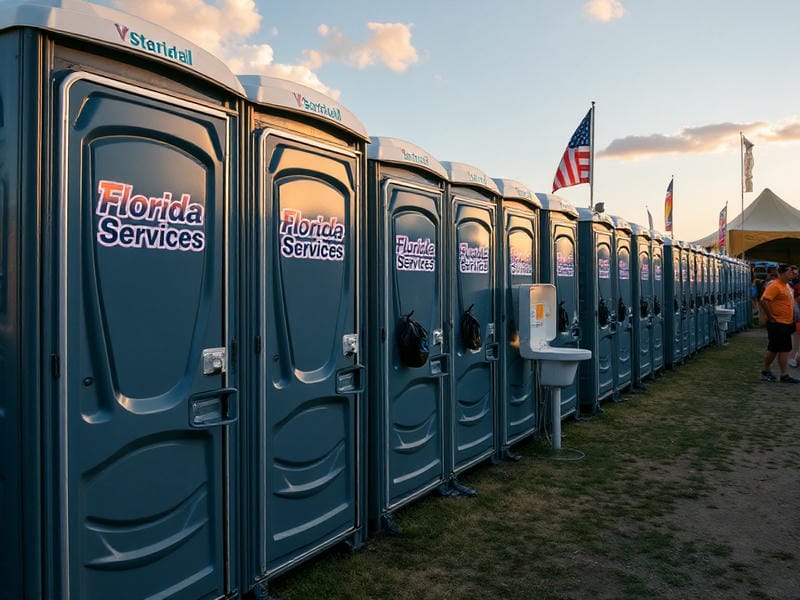
The global urgency to adopt eco-friendly practices in waste management is a reflection of our growing awareness about environmental sustainability. At the heart of this transition lies the need for an accurate assessment of current waste management systems. This evaluation is critical, as it provides a foundation for implementing more sustainable practices and technologies aimed at reducing environmental impact and promoting resource recovery.


Current waste management systems vary significantly across regions, influenced by factors such as economic capability, regulatory frameworks, cultural attitudes, and technological advancement. In many developed countries, there is already a structured approach to waste collection, segregation, recycling, and disposal.

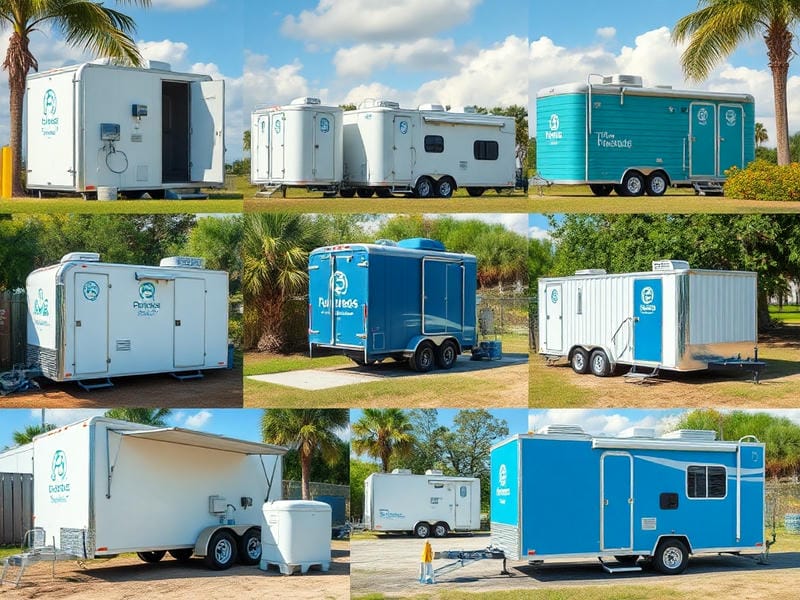
Implementing Eco-Friendly Practices in Waste Management - water

  1. Alachua County
  2. tailgate party
  3. air conditioning
However, even within these advanced systems, improvements are necessary to enhance efficiency and minimize ecological footprints. For instance, despite high rates of recycling in some areas, contamination remains a significant challenge that can render recyclable materials unusable.


Conversely, in developing countries, waste management often faces numerous challenges including inadequate infrastructure, limited financial resources, and insufficient regulatory enforcement. These regions frequently rely on informal sector workers who play a crucial role in recycling efforts yet lack formal recognition and support. Consequently, there is an urgent need to integrate these informal systems into formal frameworks to improve overall effectiveness and sustainability.


A comprehensive assessment of existing systems involves evaluating their technical capabilities-such as collection methods and processing technologies-as well as socio-economic aspects like public participation and policy effectiveness. Public engagement plays a pivotal role; communities must be informed and motivated to participate actively in waste segregation at source if eco-friendly practices are to succeed.


Technological innovation offers promising pathways for transformation. Advances such as automated sorting facilities powered by AI or biotechnological methods for organic waste treatment present opportunities to enhance system efficiency dramatically. However, technology alone cannot drive change; it must be supported by robust policies that incentivize sustainable practices among businesses and individuals alike.


Moreover, international collaboration can facilitate knowledge exchange and capacity building among countries at different stages of development in waste management proficiency. Aligning global efforts with local actions ensures that best practices are shared widely while being adapted appropriately to fit regional contexts.


In conclusion, assessing current waste management systems serves as both a diagnostic tool to identify shortcomings and an opportunity map for implementing eco-friendly practices effectively. The shift towards sustainability requires coordinated efforts involving technological innovation, policy reformulation, community engagement, and international cooperation. By thoroughly understanding where we stand today in our handling of waste materials-and recognizing the interconnectedness of these factors-we pave the way toward more resilient ecosystems through responsible stewardship of our planet's resources.

Portable Restroom Rentals Offer Eco-Conscious Waste Solutions for Events

Portable Restroom Rentals Offer Eco-Conscious Waste Solutions for Events

When planning an event, especially one that prioritizes sustainability, choosing the right eco-friendly portable restroom provider is crucial.. Not only does it ensure the comfort and convenience of your guests, but it also reflects a commitment to environmental responsibility.

Posted by on 2024-10-14

Green Waste Management Begins with Sustainable Portable Restrooms

Green Waste Management Begins with Sustainable Portable Restrooms

In recent years, the conversation around sustainability and environmental responsibility has gained significant momentum.. As we face pressing ecological challenges, industries across the globe are re-evaluating their practices to align with green principles.

Posted by on 2024-10-14

Portable Restrooms Drive Change in Sustainable Waste Management Practices

Portable Restrooms Drive Change in Sustainable Waste Management Practices

The future outlook for portable restrooms is increasingly optimistic as they become pivotal in global sustainability efforts.. Traditionally viewed as mere conveniences at outdoor events or construction sites, these mobile facilities are now being recognized for their potential to drive change in sustainable waste management practices. At the heart of this shift is the growing awareness of the environmental impact of human waste.

Posted by on 2024-10-14

Eco-Friendly Waste Management Made Easy with Portable Restroom Rentals

Eco-Friendly Waste Management Made Easy with Portable Restroom Rentals

Choosing the right portable restroom rental service is a crucial step in ensuring effective eco-friendly waste management, especially for events or construction sites where environmental impact is a growing concern.. With an increasing emphasis on sustainability, it's important to consider several factors that will not only meet your immediate needs but also align with broader ecological goals. First and foremost, assess the company's commitment to sustainability.

Posted by on 2024-10-14

Portable Restroom Rentals Help Reduce Environmental Impact Through Sustainable Waste Management

Portable Restroom Rentals Help Reduce Environmental Impact Through Sustainable Waste Management

In recent years, the adoption of environmentally friendly practices has become increasingly important for businesses and event organizers worldwide.. One specific area where this shift towards sustainability is becoming more evident is in the choice of portable restrooms.

Posted by on 2024-10-14

Festival Waste Management Goes Green with Eco-Friendly Portable Restrooms

Festival Waste Management Goes Green with Eco-Friendly Portable Restrooms

As global awareness of environmental issues continues to grow, the management of festival waste has emerged as a critical area for innovation.. Festivals, beloved for their celebration of music, culture, and community, are also notorious for generating enormous amounts of waste.

Posted by on 2024-10-14

Innovative Eco-Friendly Solutions and Technologies for Waste Disposal

In recent years, the escalating problem of waste generation has become a focal point for environmentalists and policymakers alike. As we grapple with the consequences of our throwaway culture, it is imperative to explore strategies for reducing waste generation through the implementation of eco-friendly practices in waste management. These strategies not only aim to minimize our ecological footprint but also promote a sustainable future for generations to come.


One of the primary strategies for reducing waste generation is embracing the principles of the circular economy. This approach fundamentally rethinks how products are designed, produced, and consumed by emphasizing reuse, refurbishment, and recycling over disposal. By shifting from a linear "take-make-dispose" model to a circular one, businesses and consumers can significantly reduce the amount of waste generated. For instance, companies can design products that are easier to disassemble and recycle at the end of their life cycle. Consumers can contribute by opting for durable goods and supporting brands that prioritize sustainability.


Another vital strategy involves enhancing community-based recycling programs. Local governments can play an instrumental role by investing in robust recycling infrastructures that make it convenient for residents to sort their waste correctly. Educational campaigns are equally important in raising awareness about what can be recycled and how individuals can contribute effectively. Moreover, incentivizing recycling through deposit return schemes or reward systems can encourage more people to participate actively in these programs.


Reducing food waste is another critical area where eco-friendly practices can be implemented effectively. Globally, a significant portion of food produced ends up as waste, contributing not only to landfill mass but also to greenhouse gas emissions when decomposing anaerobically. Strategies such as improving inventory management in grocery stores and restaurants, promoting composting at both household and community levels, and encouraging consumers to buy only what they need can substantially decrease food wastage.


Furthermore, adopting technology-driven solutions presents promising avenues for minimizing waste generation. Smart bins equipped with sensors can optimize collection routes based on real-time data about bin fill levels, thereby reducing fuel consumption and operational costs associated with traditional waste collection methods. Additionally, digital platforms that facilitate sharing economies-like those allowing users to exchange or rent items instead of buying new ones-can lessen demand for new products and thus lower overall production-related waste.


Lastly, crafting policies that discourage single-use plastics while promoting biodegradable alternatives is crucial in cutting down plastic pollution-a major component of global waste issues today. Governments have already started implementing bans or taxes on plastic bags; similar measures could extend to other single-use items like straws or packaging materials.


Implementing eco-friendly practices in waste management requires concerted efforts across multiple sectors-from government bodies enacting supportive legislation to individual citizens making conscious choices every day. By integrating these strategies into our daily lives and business operations, we move closer toward a sustainable future where resources are used responsibly rather than squandered thoughtlessly-a future where nature thrives alongside human progress without compromise or detriment due solely because we learned how best manage what once was considered mere refuse into something far greater: opportunity itself!

Innovative Eco-Friendly Solutions and Technologies for Waste Disposal

Benefits of Implementing Green Practices in Portable Restroom Services

In recent years, the urgency to address environmental challenges has catalyzed a global shift towards more sustainable practices, particularly in waste management. Among these practices, the adoption of recycling and reuse initiatives stands out as a pivotal strategy in implementing eco-friendly solutions. By transforming waste into valuable resources, these initiatives not only reduce the burden on landfills but also diminish the demand for raw materials, thereby conserving natural resources and minimizing pollution.


The essence of recycling lies in its ability to reprocess used materials into new products. This process significantly cuts down on energy consumption compared to producing items from virgin materials. For instance, recycling aluminum saves up to 95% of the energy needed to create it from bauxite ore. Similarly, recycling paper reduces water usage by about 53%, highlighting how such measures can alleviate pressure on our ecosystems. By encouraging communities and industries to embrace recycling programs, we can foster a culture that values resource efficiency and environmental stewardship.


Alongside recycling, reuse initiatives play an equally crucial role in sustainable waste management. Reuse involves finding new purposes for items that might otherwise be discarded, extending their life cycle and reducing overall waste generation. Simple actions like repurposing glass jars for storage or donating old clothes contribute significantly to waste reduction efforts. Moreover, businesses are increasingly adopting innovative approaches such as product take-back schemes and refurbishing services, which further embed reuse within consumer habits.


Implementing these eco-friendly practices requires a multi-faceted approach involving policy support, community involvement, and educational campaigns. Governments can incentivize recycling and reuse through legislation that promotes extended producer responsibility (EPR) or offers tax benefits for businesses that incorporate sustainable practices. Community participation is equally vital; local authorities can facilitate this by providing accessible recycling facilities and organizing awareness programs that educate citizens about the environmental benefits of reducing, reusing, and recycling.


Education plays an indispensable role in changing mindsets towards sustainability. Schools and organizations should integrate environmental education into their curricula to instill an early appreciation for eco-friendly practices among young people. Public workshops and campaigns can further disseminate information on how individuals can contribute to larger sustainability goals through everyday actions.


In conclusion, the adoption of recycling and reuse initiatives is fundamental in transitioning towards eco-friendly waste management systems. By tapping into these strategies' potential to conserve resources and reduce pollution, societies stand to gain not only environmentally but also economically as new markets emerge around recycled materials and reused goods. As we continue navigating the path towards sustainability, embracing these practices will be crucial in ensuring a healthier planet for future generations.

Case Studies Highlighting Successful Eco-Friendly Waste Management Initiatives

In recent years, as the world grapples with escalating environmental challenges, there has been a growing emphasis on adopting eco-friendly practices in waste management. Among these practices, the implementation of composting techniques stands out as a particularly effective and sustainable approach. Composting not only reduces the volume of waste sent to landfills but also transforms organic waste into valuable resources that can enrich soil health and promote plant growth.


Composting is the natural process of recycling organic matter, such as leaves and food scraps, into a rich soil amendment known as compost. This process is facilitated by microorganisms, including bacteria and fungi, which break down the organic material in an aerobic environment. The result is a nutrient-dense product that can be used to improve soil structure, enhance water retention, and provide essential nutrients for plants.


One of the most significant advantages of implementing composting techniques in waste management is its ability to reduce greenhouse gas emissions. Organic waste decomposing in landfills generates methane, a potent greenhouse gas that contributes significantly to climate change. By diverting this waste from landfills through composting, we can significantly cut down on methane emissions and mitigate our carbon footprint.


Moreover, composting helps conserve landfill space. With urban areas expanding rapidly and generating more waste than ever before, landfill space is becoming increasingly scarce. Composting offers a practical solution by reducing the volume of organic waste that needs to be disposed of in these already overburdened sites. This not only prolongs the lifespan of existing landfills but also decreases the need for new ones.


Implementing composting techniques also fosters community engagement and education around sustainable practices. Community-based composting programs can serve as educational platforms where individuals learn about natural cycles and sustainable living methods. These initiatives often bring people together with a shared purpose-working towards environmental sustainability-which strengthens community bonds while promoting environmental stewardship.


Furthermore, compost produced through these initiatives can support local agriculture by providing farmers with an affordable alternative to chemical fertilizers. As more communities embrace composting programs, they contribute towards creating circular economies where resources are reused rather than wasted.


However, successful implementation requires careful planning and participation from various stakeholders: governments must create supportive policies; municipalities should invest in necessary infrastructure; businesses need incentives for adopting green practices; finally-and perhaps most importantly-individuals must commit themselves personally by separating their household waste properly for collection or direct backyard use.


In conclusion, adopting composting techniques within broader eco-friendly practices offers multiple benefits-from reducing harmful emissions to conserving vital resources like space-and plays an integral role in transforming modern-day approaches toward sustainable waste management solutions globally. By embracing this method collectively at all levels-individuals working hand-in-hand with policymakers-we pave way not just toward cleaner environments today but healthier ecosystems tomorrow too!

In recent years, the integration of technology into eco-friendly waste solutions has emerged as a powerful catalyst for implementing sustainable practices in waste management. As the world grapples with escalating environmental challenges, the need to revolutionize traditional waste management systems becomes increasingly urgent. By harnessing cutting-edge technologies, we can pave the way for more efficient, sustainable approaches that not only mitigate environmental damage but also foster economic growth and community well-being.


One of the most promising technological advancements in this sphere is the development of smart waste management systems. These systems utilize IoT (Internet of Things) sensors and data analytics to optimize waste collection and processing. By providing real-time information on bin fill levels and enabling route optimization for collection vehicles, these technologies significantly reduce fuel consumption and greenhouse gas emissions. This level of efficiency not only lowers operational costs but also minimizes the carbon footprint associated with waste transportation.


Furthermore, robotics and automation are playing an increasingly vital role in sorting and recycling processes within waste management facilities. Advanced robotic systems equipped with AI capabilities can identify, sort, and segregate different types of waste materials with remarkable precision and speed. This reduces contamination rates in recyclable materials, thereby enhancing the quality of recycled products. The use of such technology not only boosts recycling rates but also ensures that fewer resources are extracted from natural ecosystems.


Biotechnology also presents innovative avenues for eco-friendly waste solutions by offering methods to convert organic waste into valuable products like biogas or compost. Anaerobic digestion-a process facilitated by microbial activity-breaks down organic matter to produce energy-rich biogas that can be used as a renewable energy source. This approach not only resolves issues related to organic waste disposal but also contributes to energy sustainability.


Moreover, digital platforms are transforming how communities engage with their own waste generation patterns. Mobile applications designed to educate users about proper disposal methods or encourage participation in local recycling programs have proven effective in promoting environmentally conscious behaviors among individuals. By fostering a culture of responsibility and awareness through accessible technology, communities can collectively contribute to larger sustainability goals.


However, integrating technology into eco-friendly waste solutions is not without its challenges. Issues such as high initial investment costs, data privacy concerns, and the need for skilled personnel must be addressed thoughtfully. Governments, private enterprises, and educational institutions need to collaborate closely to create frameworks that support technological adoption while ensuring equitable access across different regions.


In conclusion, the fusion of technology with eco-friendly practices in waste management offers a promising pathway towards achieving sustainability goals globally. Through smart systems, automation, biotechnology innovation, and community engagement platforms powered by digital tools-waste management can evolve from being a mere logistical operation into a cornerstone of ecological stewardship. As we advance further into an era defined by technological prowess coupled with environmental mindfulness-the future seems poised for cleaner cities thriving amid healthier ecosystems worldwide.

In recent years, the pressing need to address environmental concerns has led to a growing emphasis on implementing eco-friendly practices in waste management. This shift not only aims to mitigate the negative impact of waste on our planet but also seeks to foster sustainable development. To better understand these practices, examining successful case studies offers valuable insights into how communities and industries worldwide are effectively managing waste in an environmentally responsible manner.


One exemplary model of eco-friendly waste management can be found in Kamikatsu, Japan. This small town has gained international recognition for its ambitious zero-waste initiative. By 2003, Kamikatsu had already introduced a rigorous sorting system that requires residents to separate their waste into over 45 categories. This meticulous process ensures that materials are either recycled or composted, drastically reducing landfill use. The community's commitment is reinforced through continuous education and involvement, turning waste management into a collective effort rather than an individual burden. As a result, Kamikatsu has achieved a recycling rate of over 80%, setting a benchmark for other municipalities worldwide.


Similarly, San Francisco serves as a leading example of urban eco-friendly waste management practices in action. The city's comprehensive Zero Waste by 2020 initiative combines stringent policies with innovative programs to minimize landfill contributions. San Francisco employs advanced technology for material recovery facilities and enforces strict separation ordinances for businesses and individuals alike. Moreover, the city actively promotes composting by providing green bins and educational resources to its residents. These concerted efforts have led San Francisco to divert approximately 80% of its waste from landfills, showcasing the potential of well-implemented municipal strategies.


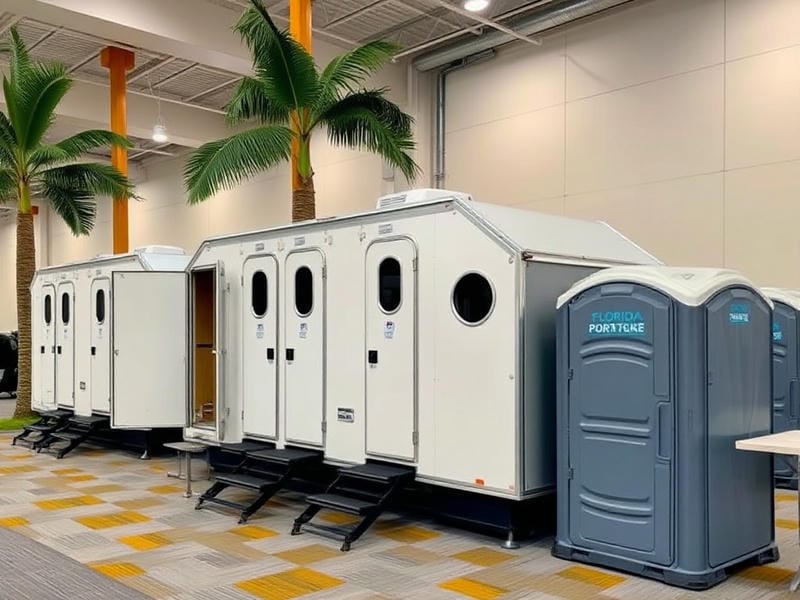
Implementing Eco-Friendly Practices in Waste Management - heat

    The industrial sector also presents notable examples of successful eco-friendly waste management models. For instance, Unilever's "Zero Waste" program exemplifies how large corporations can adopt sustainable practices across their operations globally. By focusing on reducing waste at every stage-from sourcing raw materials to production-Unilever has managed to achieve zero non-hazardous waste sent to landfills across numerous sites worldwide since 2014. Their approach includes redesigning products for recyclability, optimizing resource use in manufacturing processes, and building partnerships with local communities for effective recycling solutions.


    These case studies highlight several key strategies integral to successful eco-friendly waste management: robust policy frameworks encouraging responsible behavior; community engagement fostering collective responsibility; technological advancements enabling efficient resource recovery; and corporate commitment driving industry-wide change towards sustainability.


    While each region's journey may differ due largely due geographic or socio-economic factors involved therein ,the core principles underlying these success stories remain consistent .As global populations continue growing alongside increasing consumption rates ,it becomes imperative we draw lessons from pioneers like Kamikatsu ,San Francisco & Unilever if we hope realize future wherein humans coexist harmoniously within natural ecosystems without depleting them unnecessarily .

    Frequently Asked Questions

    Effective eco-friendly practices include recycling and composting, implementing waste-to-energy technologies, reducing single-use plastics, promoting zero-waste initiatives, and enhancing waste segregation at source.
    Waste management systems can minimize environmental impact by adopting circular economy principles, optimizing logistics to reduce carbon emissions, employing anaerobic digestion for organic waste, utilizing biodegradable materials, and ensuring proper landfill management to prevent leachate and methane emissions.
    Technology plays a crucial role by enabling smart waste collection through IoT devices, improving recycling processes with AI sorting systems, facilitating real-time monitoring of waste facilities, using data analytics for efficient resource allocation, and developing apps that encourage community engagement in recycling efforts.
    Communities can be encouraged through public education campaigns highlighting the benefits of recycling and reduction practices, providing incentives for responsible disposal behaviors, involving local schools and organizations in sustainability projects, offering convenient access to recycling bins and services, and organizing community events focused on sustainability.
    Governments can support eco-friendly waste management by enacting legislation that mandates producer responsibility for product lifecycle impacts, subsidizing clean technologies and green infrastructure development, setting stringent targets for landfill diversion rates, offering tax breaks or grants for businesses practicing sustainable methods, and establishing comprehensive national recycling programs.